
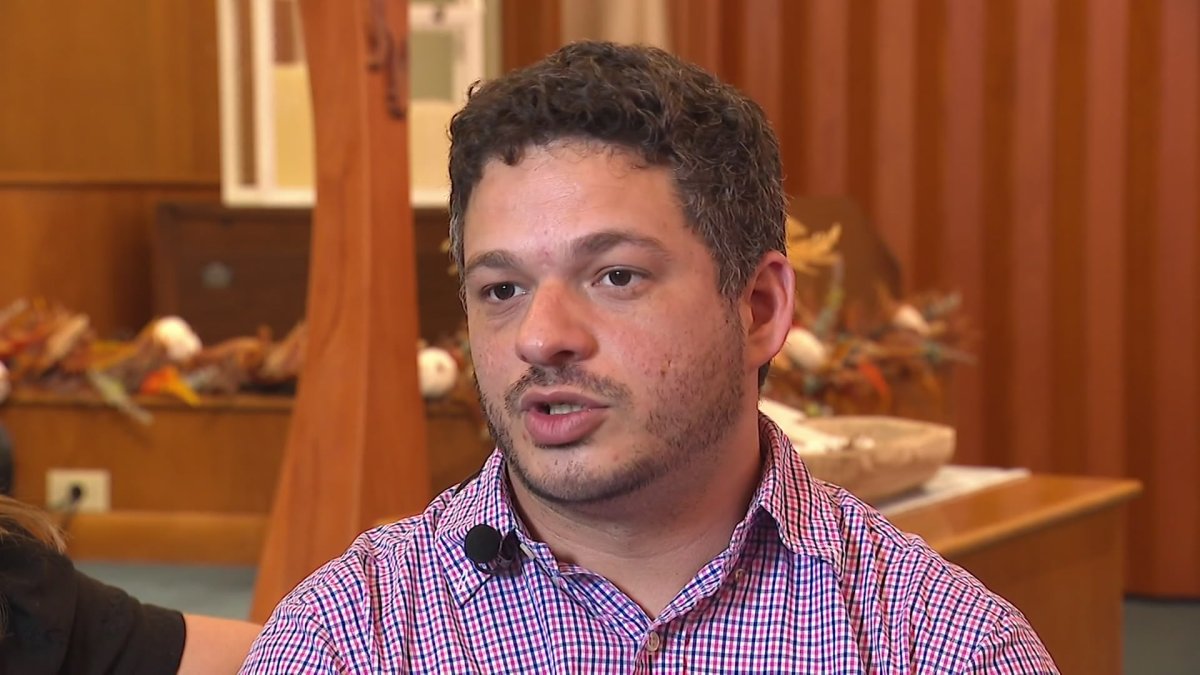
Pastor Albert Oliveira, who was forced to self-deport to Brazil in November due to an expiring R-1 religious worker visa that required a one-year waiting period before reapplying, will be able to return to his Gordon church within six weeks thanks to a new Trump administration policy change that allows immediate visa reapplication upon leaving the U.S., potentially reuniting with his congregation by Easter.
Pastor Albert Oliveira, who was forced to self-deport with his family to Brazil last November after his R-1 religious worker visa expired under a policy requiring him to wait 12 months outside the U.S. before reapplying, could be back at his Gordon church within a month and a half thanks to a Trump administration policy change that eliminates the mandatory one-year waiting period and allows religious workers to immediately reapply for new visas after leaving the country.
Oliveira, who has been conducting pastoral services and sermons via video conferencing from Brazil, described learning about the policy shift as “a roller coaster of emotions, but in a good way,” adding “it was a burst of emotions towards… now we have a direction, now we know what to do. Now we can start making plans.”
The change affects thousands of R-1 visa holders caught in immigration backlogs, and immigration attorney Paul Hunker explains the practical impact, noting “we have a shortage of priests in the Dallas diocese, for example, and to make that priest stay out of the country for a year before they can come back doesn’t make sense,” crediting someone in the Trump administration for recognizing the problem.
Oliveira’s current plan involves sending an application package to U.S. Citizenship and Immigration Services, which will schedule an interview with embassy officials in Brazil for final permission for him and his family to return, with the pastor expressing hope to be back by Easter, saying “I know it sounds cliché, it’s the answer every pastor is going to give, but man, I really miss my church. I am looking forward to being back by Easter so that I can celebrate Easter with my church.”
The policy reversal represents a rare favorable shift in the recent wave of swift immigration policy changes under the Trump administration, with Oliveira expressing gratitude: “For those that are part of this justice being done, for religious workers, for churches, for communities around, it goes a big thank you.”
NEWS NOW: