
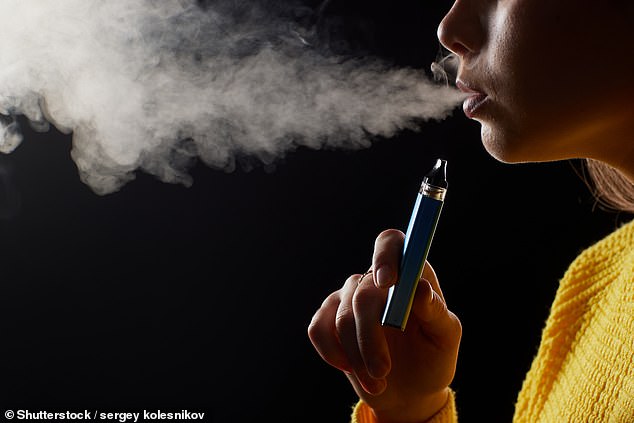
Australian researchers have linked vaping to DNA damage and increased cancer risks, challenging the global perception of e-cigarettes as a safe alternative to smoking and calling for stricter precautions against their use as a cessation aid.
A comprehensive review by researchers at the University of New South Wales warns that vaping may be as potentially carcinogenic as traditional cigarettes, specifically linking the practice to DNA changes and an increased risk of both lung and oral cancers. Analyzing literature published between 2017 and 2025, the team found that e-cigarettes cause tissue damage and inflammation that can drive cell malfunction, with lead author Professor Bernard Stewart asserting, “The research shows vaping is not an alternative to smoking or illicit drugs.
It is not an alternative to anything in the context of being safer.” The study highlights a particularly dire “four-fold” increase in lung cancer risk for “dual users” who both smoke and vape, while co-author Professor Freddy Sitas cautioned against offering e-cigarettes as a cessation tool, noting, “It’s like saying that knives are less dangerous than machine guns because they can kill fewer people in a given time.” Despite a lack of century-long longitudinal data, the researchers pointed to the case of a 19-year-old vaper with aggressive mouth cancer as evidence that “now is the time to be proactive rather than reactive” in regulating these devices.
NEWS NOW: