
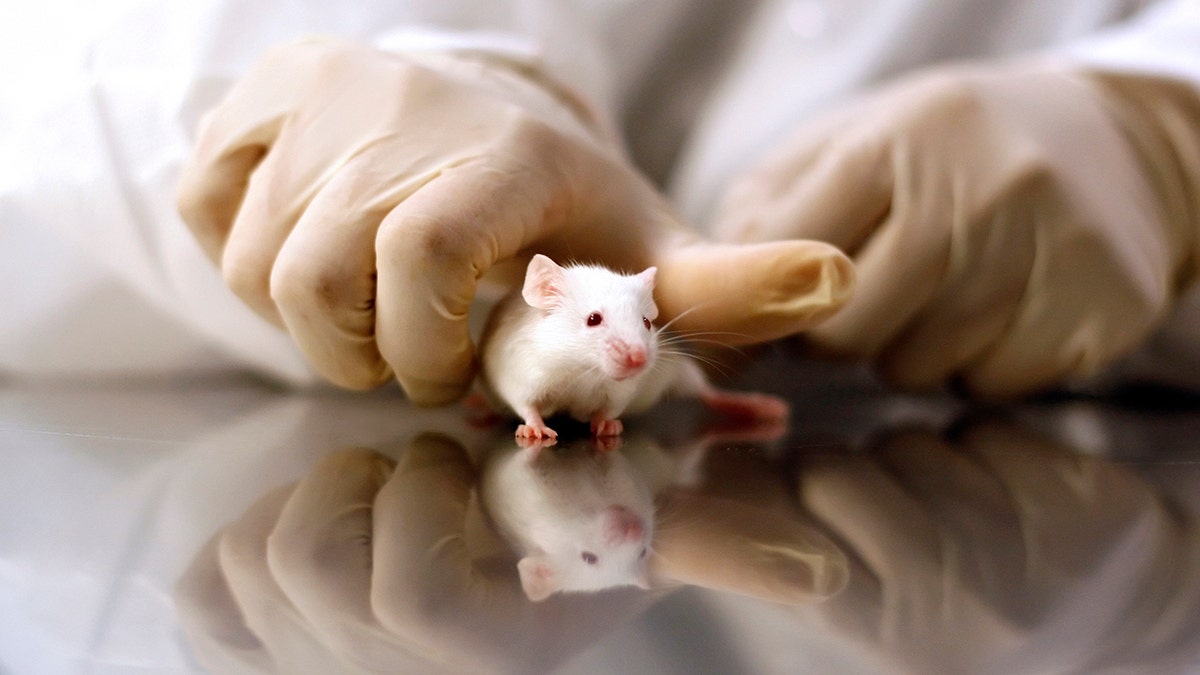
Stanford researchers cured type 1 diabetes in mice by creating a hybrid immune system that taught the body to accept transplanted insulin-producing cells — no long-term immunosuppression required.
Stanford researchers have cured type 1 diabetes in mice — without lifelong immunosuppressant drugs.
Using antibodies, low-dose radiation, and a rheumatoid arthritis drug called baricitinib, the team created a blended “chimeric” immune system that accepted transplanted insulin-producing cells from a donor. The process took just 12 days. “The graft sticks and stays,” said lead researcher Dr. Judith Shizuru. “It’s there long term.”
Mice were still producing insulin 20 weeks later. “This is potentially a way to cure diabetes,” said Dr. John DiPersio of Washington University.
Human trials face real hurdles — scarce donor cells, untested antibodies, and the challenge of maintaining immune balance for decades. But for 500 million people managing diabetes daily, it’s a rare and genuine reason for hope.
READ MORE FROM LIVE SCIENCE
NEWS NOW: