
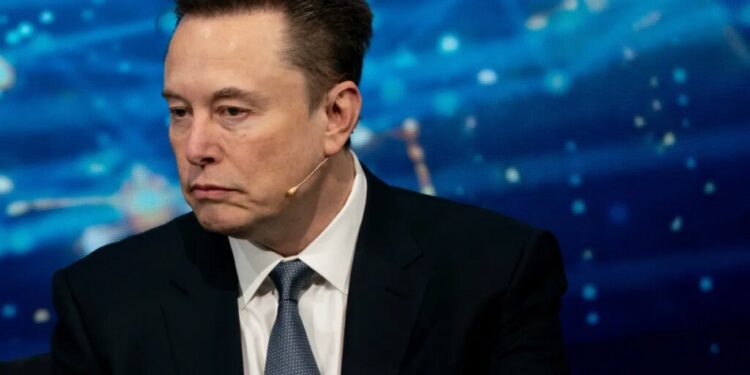
In a series of public appearances, tech billionaire Elon Musk has laid out a radical vision for the next 10 to 20 years, forecasting that advancements in artificial intelligence and robotics will render traditional work optional and money irrelevant. Speaking at the U.S.-Saudi Investment Forum, Musk likened future employment to a hobby, stating, “My prediction is that work will be optional. It’ll be like playing sports or a video game,” and elaborated that choosing to work would be akin to the laborious but voluntary task of growing vegetables in a backyard garden. He further argued that this automation-led abundance, powered by millions of robots and advanced AI, would eliminate material shortages, suggesting at the Viva Technology 2024 conference that “universal high income” would sustain society and “money will stop being relevant,” drawing inspiration from post-scarcity science fiction.
However, economists express significant doubt about the feasibility and timeline of this transition, citing the high cost and specialization of physical robotics as a major barrier to widespread automation. Ioana Marinescu, an economist at the University of Pennsylvania, agrees automation is the future but is skeptical of Musk’s aggressive schedule, noting that while “AI is progressing rapidly,” the integration of physical machines into labor has been slow. Furthermore, experts highlight the profound political and social challenges, questioning whether the enormous wealth generated by AI would lead to inclusive prosperity, with Temple University’s Samuel Solomon asking, “Will everyone benefit?” given current trends that appear to be widening economic inequality.
Beyond the logistical hurdles, the prospect also raises existential questions about human purpose in a work-optional world. Anton Korinek of the University of Virginia noted that if “the economic value of labor declines,” society must be restructured, as meaningful relationships are often derived from work. Musk himself addressed this philosophical dilemma, pondering at Viva Technology, “The question will really be one of meaning: If the computer and robots can do everything better than you, does your life have meaning?” While he suggested humans may still give AI meaning, the path to his envisioned utopia remains fraught with technological, economic, and societal uncertainties.