
Uber, a frequent target of car crash lawsuits, is pushing a California ballot initiative that would cap attorney fees in vehicle collision cases, escalating a long-running conflict with the state’s powerful personal injury bar and setting the stage for a costly political fight ahead of the November election, as the ride-share company argues the measure would ensure victims keep more of their settlement money while lawyers counter that it would make many cases financially impossible to take on contingency, leaving injured people without representation; under the proposal, attorney fees would be capped at 25 percent, down from the typical 33 to 40 percent, and litigation costs such as filing fees, depositions and expert witnesses would be calculated before the fee split, a change attorneys say would force them to absorb medical and legal expenses and risk walking away with nothing, while Uber said the issue of who pays medical costs is “not contemplated by the measure” and expects clients would cover them.
Opposition from the legal industry has been swift and well-funded, with attorneys from firms such as Sweet James and Jacoby & Meyers contributing nearly $1 million to a committee fighting the initiative and dozens of other lawyers helping raise more than $46 million, according to campaign finance records, as critics describe the proposal as an existential threat to personal injury law in California and a “Trojan horse” designed to undermine the economics of contingency-fee litigation; “Uber knows darn well what they’ve done,” said Nicholas Rowley, a leading opponent of the measure, adding, “This law is designed to wipe out ordinary working people’s ability to get representation,” while a doctor-led political action committee opposing the initiative has raised more than $4 million, arguing the limits on recoverable medical expenses would prevent patients from receiving necessary treatment.
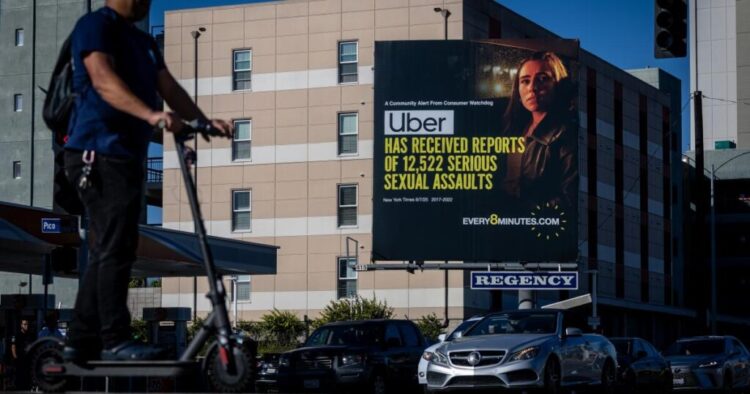
Uber, for its part, said the measure targets abusive practices it claims are common in the system, accusing some attorneys of steering victims into unnecessary and costly procedures to inflate settlements, with the company’s head of public policy, Adam Blinick, saying, “Californians deserve a system that prioritizes victims over billboard lawyers,” and adding that “capping attorney fees, banning kickbacks, and ending inflated medical billing are common-sense reforms,” even as the company fuels tensions by filing federal racketeering lawsuits against prominent Southern California firms it accuses of colluding with doctors to inflate bills, claims those firms deny, while trial lawyer groups respond with their own ballot measures and billboard campaigns highlighting Uber’s record on passenger safety and sexual assault allegations, all unfolding amid broader scrutiny of California’s legal industry, calls for ethical reform, and new laws allowing private citizens to sue attorneys for misconduct, as voters prepare to weigh competing claims over whether the initiative protects accident victims or shields a powerful corporation from accountability.