
Iran’s economy is deteriorating rapidly as a collapsing currency, soaring inflation and long-standing structural problems combine to deepen public hardship and fuel unrest, with the rial losing about 40% of its value since a 12-day war in June and plunging to a record low of nearly 1.5 million to the dollar on December 28.
Inflation reached a 40-month high of 48.6% in October before easing slightly to 42.2% in December, while food prices surged 72% year-on-year, according to Iran’s Statistical Center, pushing many Iranians toward gold as a store of value and sparking protests that began with a strike in Tehran’s bazaar. The pressure is compounded by US and UN sanctions that restrict access to foreign exchange and global banking, alongside central bank borrowing that has stoked inflation, as well as domestic issues including costly subsidies, corruption and heavy regulation.
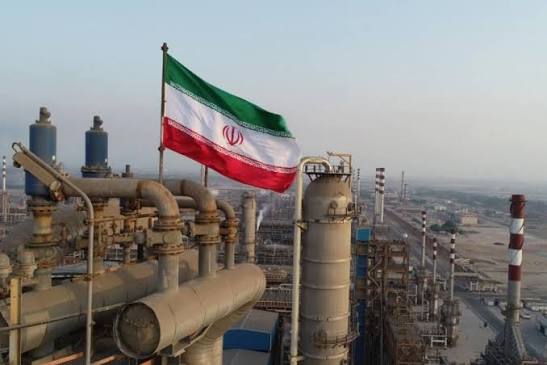
The World Bank forecasts Iran’s GDP will contract by 1.7% in 2025 and 2.8% in 2026, underscoring the depth of the downturn, even as President Masoud Pezeshkian has promised fundamental monetary and banking reforms following the resignation of the central bank governor and the appointment of former economy minister Abdolnaser Hemmati. While oil exports of about 2 million barrels per day in late 2025 continue to provide vital foreign exchange, analysts say they are insufficient to offset the broader economic strain.