
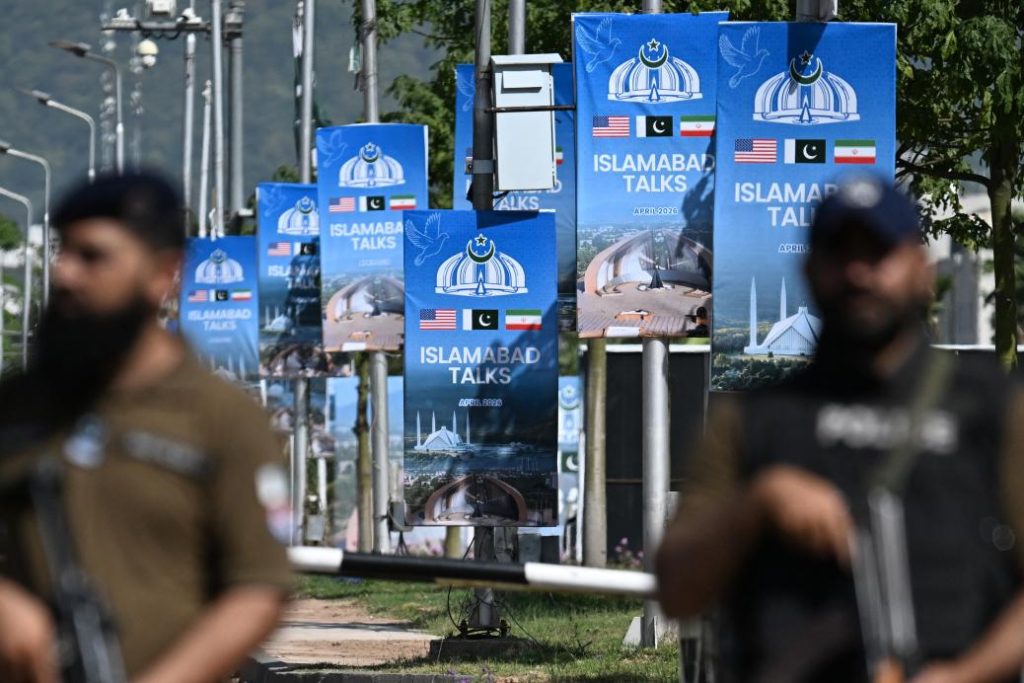
Pakistani mediators claim Iran’s recent refusal to attend peace talks is a tactical move to gain leverage, as the U.S. dispatches envoys to Islamabad to salvage a ceasefire threatened by naval skirmishes and expiring deadlines.
Pakistani officials have characterized Iran’s recent refusal to attend a second round of peace talks as strategic “posturing” rather than a final rejection. Despite Tehran’s public accusations that Washington is making “excessive demands” and violating the ceasefire via a naval blockade, sources in Islamabad exclusively told *The Post* that Iran remains willing to negotiate to extract maximum advantage. While a formal decision to attend has not yet been finalized by the Iranian Foreign Ministry, Pakistan remains the sole mediator trusted by both sides.
The diplomatic uncertainty comes as President Trump confirmed he is dispatching a high-level delegation, led by special envoy Steve Witkoff, to the region to restart the brokered process. Tensions remain razor-sharp following reports of a U.S. Navy destroyer firing on an Iranian cargo ship attempting to breach the Strait of Hormuz blockade. The White House appears committed to a diplomatic path even as the fragile ceasefire agreement nears its expiration date, with U.S. military assets, including Boeing C-17A Globemasters, already touching down at Nur Khan airbase.
In a forceful rebuttal, Islamabad also dismissed recent reports claiming that Field Marshal Asim Munir urged President Trump to abandon the naval blockade as a prerequisite for peace. Pakistani sources labeled these claims “classic misinformation,” reaffirming their role as a neutral and realistic facilitator. As Vice President JD Vance and other top officials converge on the “Red Zone” in Islamabad, mediators describe their outlook as neither optimistic nor pessimistic, but focused on the logistical reality of hosting the next round of talks.
NEWS NOW: