
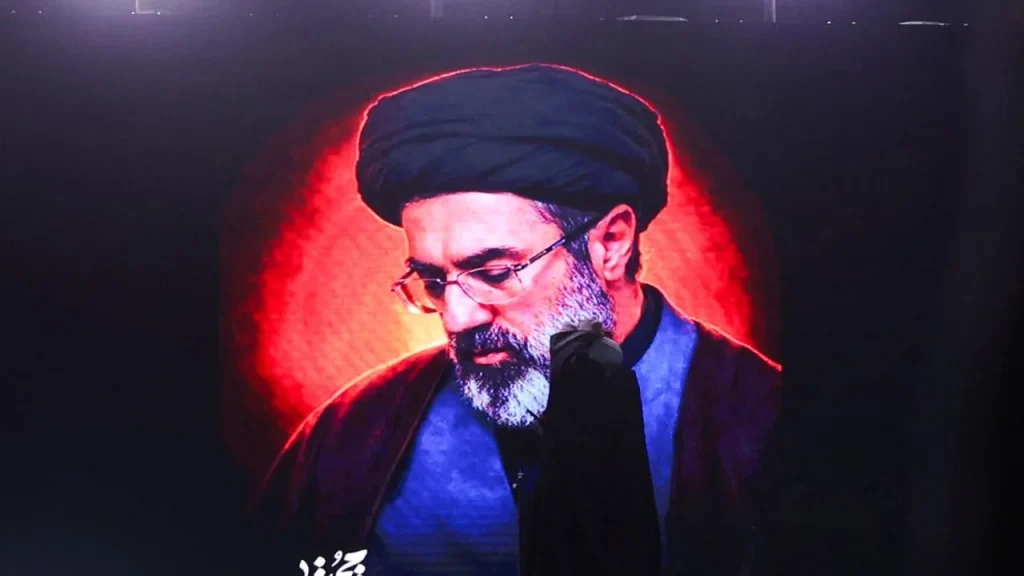
Intelligence assessments suggest Mojtaba Khamenei is fit to govern despite wartime injuries, though his continued public absence has fueled theories that he may be a symbolic leader for a hidden regime power.
Amidst mounting speculation over the true state of Iran’s leadership transition, a source familiar with the matter told The Jerusalem Post that despite injuries sustained during the “Ramadan war,” Mojtaba Khamenei “remains capable of carrying out his duties and managing state affairs as Iran’s new supreme leader.” This assessment follows a Monday report from Iranian state television confirming the 56-year-old had been wounded, though the broadcast notably provided no details on the severity of his condition or when the injury occurred.
The continued absence of any official photographs or video of the newly installed leader has fueled intense skepticism among opposition groups, who suggest that the lack of public appearances “raises questions about who is actually directing Iran’s government” and whether Mojtaba serves as a mere figurehead while a senior regime figure exercises real authority. Despite his long-standing reputation as a powerful figure behind the scenes, analysts note that the legitimacy of his sudden ascension remains under a cloud of secrecy as the nation navigates its most significant political crisis in decades.
NEWS NOW: