
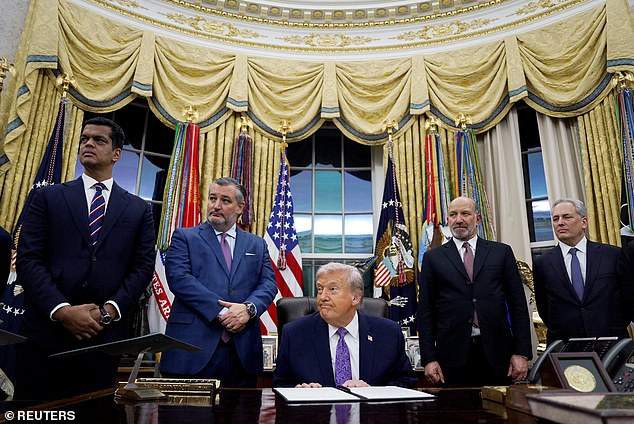
Senior White House adviser David Sacks has publicly broken with President Trump over the war in Iran, warning of potential nuclear escalation by Israel and urging the administration to negotiate an immediate ceasefire to prevent a regional humanitarian and economic collapse.
In a significant public rift within the White House, David Sacks, President Trump’s adviser for artificial intelligence and cryptocurrency, has warned that the ongoing conflict with Iran risks a “nuclear catastrophe” if an immediate “off-ramp” is not established. Speaking on the All-In podcast, Sacks suggested that as the war strains regional stability, Israel may be weighing the deployment of nuclear weapons as a response to potential existential threats. “Israel could get seriously destroyed,” Sacks cautioned, adding, “And then you have to worry about Israel escalating the war by contemplating using a nuclear weapon.” He argued that because the U.S. and Israel have already achieved their primary military objectives, including the assassination of Ayatollah Ali Khamenei on February 28, the administration should pivot toward diplomacy. “This is a good time to declare victory and get out,” Sacks remarked, emphasizing that “de-escalation… involves reaching some sort of ceasefire agreement or some sort of negotiated settlement.”
The dissent from Sacks highlights a growing “philosophical” divide between the President’s hawkish frontmen Secretary of State Marco Rubio and Defense Secretary Pete Hegseth and a more isolationist faction led by Vice President JD Vance. While Sacks, a major donor to Vance’s political career, publicly urged an exit, reports indicate that Vance has been “less enthusiastic” about the war behind the scenes, despite his public efforts to “tow the line.” Vance had reportedly advised Trump that any military action should be “big and fast” to avoid a protracted Middle Eastern engagement, a sentiment Trump acknowledged last week while noting the Vice President’s initial reservations. As Vance maintains a low public profile, political analysts suggest he is positioning himself to avoid blame should the conflict turn into a “costly distraction” that alienates the “America First” base before the 2028 election cycle.
Since “Operation Epic Fury” was launched on February 28, the humanitarian and economic tolls have mounted rapidly, with Iran’s UN ambassador reporting over 1,300 Iranian deaths while the U.S. has confirmed the loss of 13 service members. The conflict has severely disrupted global energy flows, driving Brent crude oil prices as high as $126 per barrel and prompting the U.S. to release 172 million barrels from the Strategic Petroleum Reserve. Although President Trump recently dismissed Sacks’ nuclear concerns, stating, “Israel wouldn’t do that. Israel would never do that,” the effective closure of the Strait of Hormuz has left the administration struggling to secure international support for a protective naval armada. With daily war costs estimated at $500 million and markets remaining volatile, the internal pressure for a negotiated settlement continues to grow, even as the White House maintains that the mission is “ahead of schedule.”
NEWS NOW: