
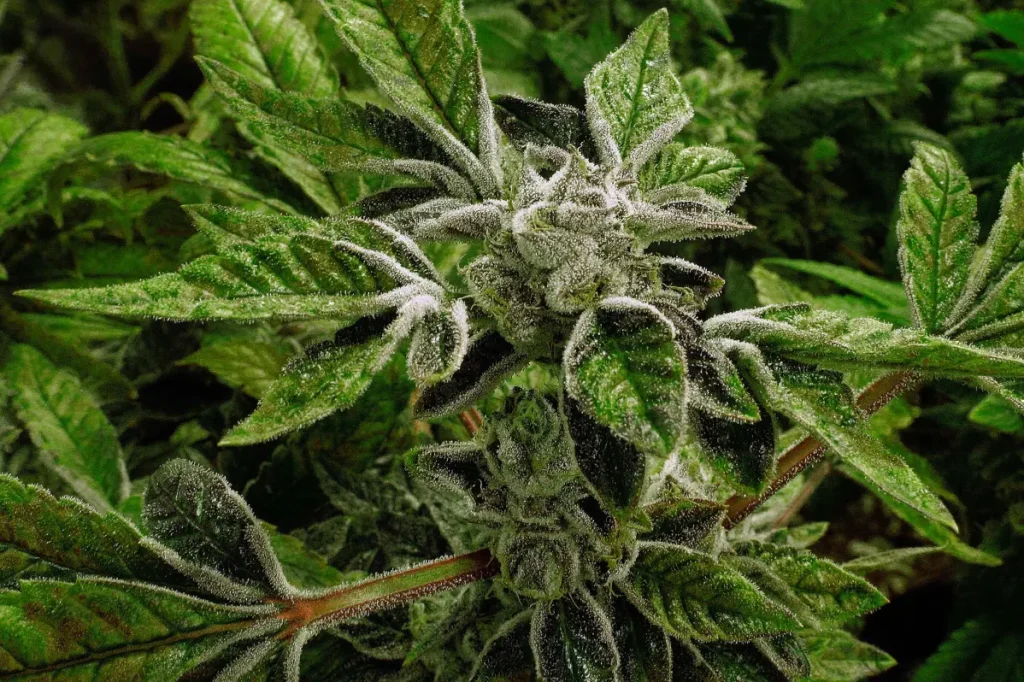
The Trump administration has officially reclassified state-licensed medical marijuana as a Schedule III drug, providing tax relief to the industry and removing long-standing federal barriers to scientific research.
In a historic policy shift, President Donald Trump’s acting attorney general, Todd Blanche, signed an order on Thursday reclassifying state-licensed medical marijuana from Schedule I to Schedule III. While the order does not federally legalize marijuana for recreational or general medical use, it acknowledges the drug’s medical utility and lower potential for abuse. The move ends decades of the federal government treating cannabis with the same severity as heroin, a status that has been in place since the Controlled Substances Act of 1970.
The reclassification provides a massive economic windfall for state-licensed medical marijuana operators, who can now deduct business expenses on their federal taxes—a practice previously prohibited under the tax code for Schedule I substances. Additionally, the order eases significant federal barriers to cannabis research, allowing scientists to study the safety and efficacy of state-licensed products without fear of penalty. Acting AG Blanche stated that the action aims to provide patients with better care and doctors with more reliable information regarding treatment options.
While advocates hailed the move as the most significant federal advancement in cannabis policy in over 50 years, critics described it as a “tax break for Big Weed” and warned of a confusing message regarding the drug’s harms. The administration clarified that marijuana not distributed through a state-licensed medical program remains in Schedule I. Furthermore, the Trump administration announced it is jump-starting the process for a broader reclassification of marijuana, with formal hearings scheduled to begin in late June 2026.
NEWS NOW: