
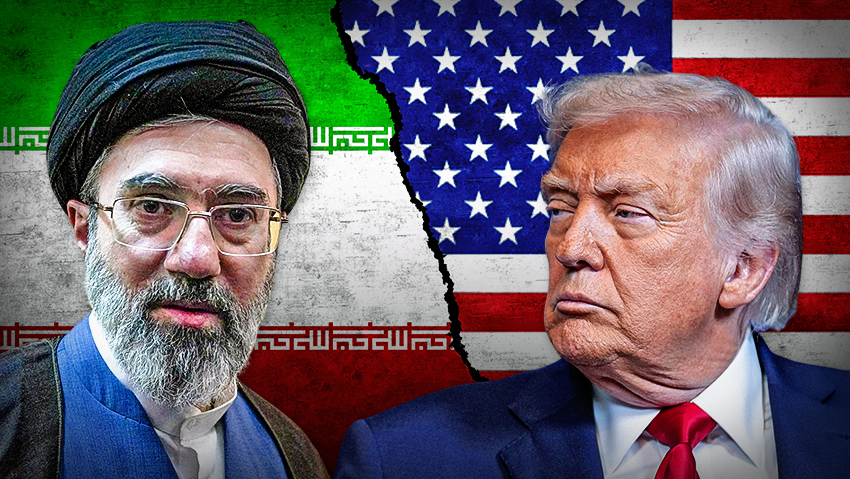
The US and Iran have announced a peace deal that would reopen the Strait of Hormuz, but experts warn it is fragile, leaves Iran’s nuclear programme unresolved, and leaves Washington strategically weakened.
Donald Trump has announced that a peace deal with Iran “is now complete,” with the Strait of Hormuz set to reopen without tolls — but not everyone is popping champagne.
Reporting by Metro reveals that while Trump is busy framing this as a signature win — timed, conveniently, to his birthday — foreign policy experts are calling it something far less flattering.
Dr Katayoun Shahandeh from the University of London says the agreement is a “temporary pause with diplomatic ambitions” at best, warning that the hardest issues — Iran’s nuclear programme, sanctions relief, regional security, and Israel’s role — have been “postponed rather than settled.” In her words: “Repetition is not the same as progress, and announcement is not the same as diplomacy.”
Dr Andreas Krieg of King’s College London is even blunter. He says the US comes out of this “weaker, less trusted and less able to impose outcomes in the Middle East.” Trump’s original goal of regime change in Iran? Didn’t happen. Iran’s nuclear know-how? Still intact. Its missile programme? Still running. The Axis of Resistance? Still standing.
What the US did get is an off-ramp from a conflict that was becoming too costly — militarily and economically. The Strait’s near-closure rattled global oil and gas markets, and Gulf states reportedly pushed hard against a wider war.
Meanwhile, Iran quietly played its hand. It survived escalation, kept its nuclear leverage, and secured a deal largely returning the region to pre-war conditions — with thousands dead and Tehran holding new bargaining power.
As Dr Shahandeh puts it: “This deal may be real. But whether it can last is another matter entirely.”
Consider the champagne on ice.
NEWS NOW: