
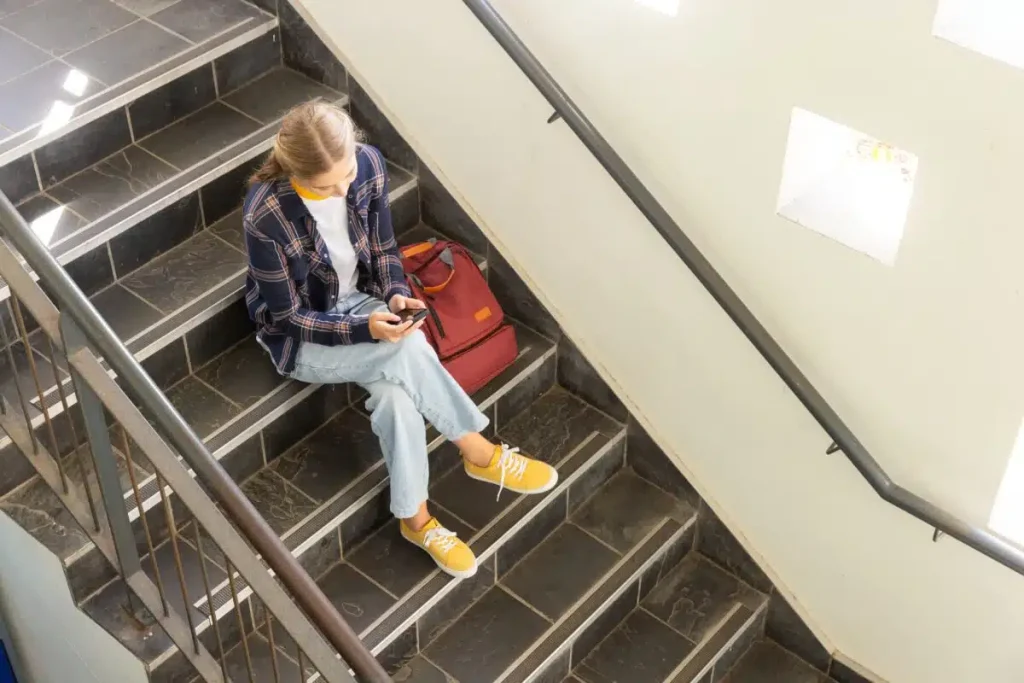
A University of North Carolina study found that every student monitored used their phone during every hour of the school day, revealing a link between frequent device “pickups” and significantly weaker impulse control.
Researchers at the University of North Carolina at Chapel Hill have uncovered a pervasive cycle of digital distraction, finding that not a single student in a recent study went an entire school day without using their smartphone. By tracking 79 middle and high schoolers via real-time “screen time” data, the study revealed that phone activity occurred during every single hour of the school day, from 8 a.m. until the final bell. On average, students logged over two hours of screen time during school hours approximately one-third of their total daily use with high schoolers averaging 23 minutes of usage per hour.
The study, published in JAMA Network Open, suggests that the frequency of interaction may be more damaging than total duration. High school participants reached for their devices an average of 64 times per school day, or roughly ten times every hour. Researchers utilized a “go/no-go” task to measure cognitive focus and found that those who checked their phones most frequently performed measurably worse on tests of impulse control. Notably, this correlation held true regardless of how much total time was spent on the screen, suggesting that the habit of compulsive checking is specifically tied to a fragmentation of mental discipline.
As school districts nationwide debate potential smartphone bans, the findings highlight the difficulty of dismantling deeply entrenched digital habits. While middle schoolers showed some ability to reduce usage on school days compared to weekends, older students did not exhibit the same restraint, with social media and entertainment apps accounting for nearly 70 percent of their school-hour activity. Researchers noted that addressing this issue may require more than just restrictive policies, suggesting that “digital literacy programs” are needed to help students understand how constant interruption undermines their ability to stay on task and grow academically.
NEWS NOW: