
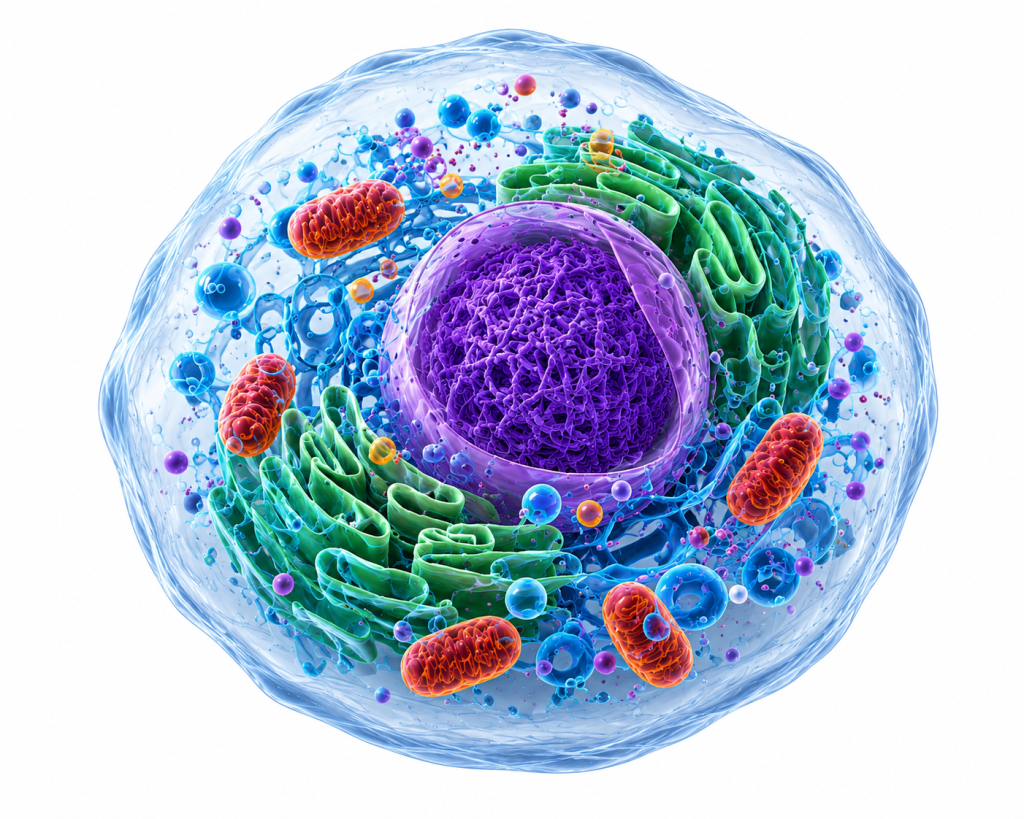
Scientists at the University of Minnesota have built a synthetic cell-like system, called SpudCell, that can feed, grow, copy DNA and divide, according to the Daily Mail.
Synthetic Cell
Scientists have taken a major step toward building life from scratch after creating a synthetic cell-like organism that can feed, grow, copy its DNA and divide.
According to the Daily Mail, the breakthrough centres on “SpudCell,” a lab-made system developed by researchers at the University of Minnesota.
The university said the project was built entirely from non-living chemical components and is believed to be the first synthetic cell to show a complete life cycle, including resource acquisition, genome replication, growth and genetically encoded division.
The tiny structures are not natural cells. They are assembled from known chemical parts, including synthetic DNA, and are designed to help scientists understand the basic instructions behind life.
Researchers say the work could eventually support advances in medicine, engineering and biological manufacturing. The Guardian reported that the cells are still limited, relying on nutrient-rich surroundings and external components, and are not yet as robust as natural cells.
The team has also linked the project to Biotic, a new public-benefit research effort aimed at opening synthetic cell engineering to wider scientific collaboration.
NEWS NOW: