
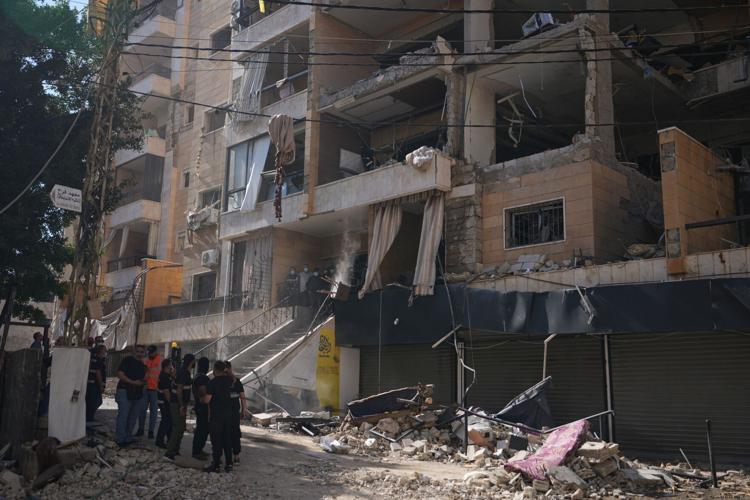
A fragile U.S.-backed ceasefire is facing its biggest test yet after Israeli strikes in Beirut’s southern suburbs prompted an Iranian missile response and raised fears of a wider regional conflict.
The Middle East peace effort just hit another major speed bump.
As AP News reports, Israel carried out airstrikes on Beirut’s southern suburbs on Sunday, despite a recently implemented ceasefire agreement and reported U.S. requests to avoid attacks on the Lebanese capital. The strike targeted an area closely associated with Hezbollah, the Iran-backed militant group that has remained central to the conflict.
The fallout was swift. Iran responded by launching missiles toward Israel, marking the first such attack since the fragile ceasefire took effect. Israeli officials said their defense systems intercepted the incoming missiles, but the exchange has fueled concerns that the region could be sliding back toward a broader confrontation.
The latest escalation comes just days after Hezbollah rejected a U.S.-brokered ceasefire arrangement, insisting that any lasting deal must include a complete Israeli withdrawal from Lebanese territory. That rejection had already cast doubt on the durability of the truce.
Now, with missiles flying and tensions rising, diplomats face an uphill battle to keep the ceasefire alive. What was meant to be a path toward stability suddenly looks a lot more uncertain.
NEWS NOW: