
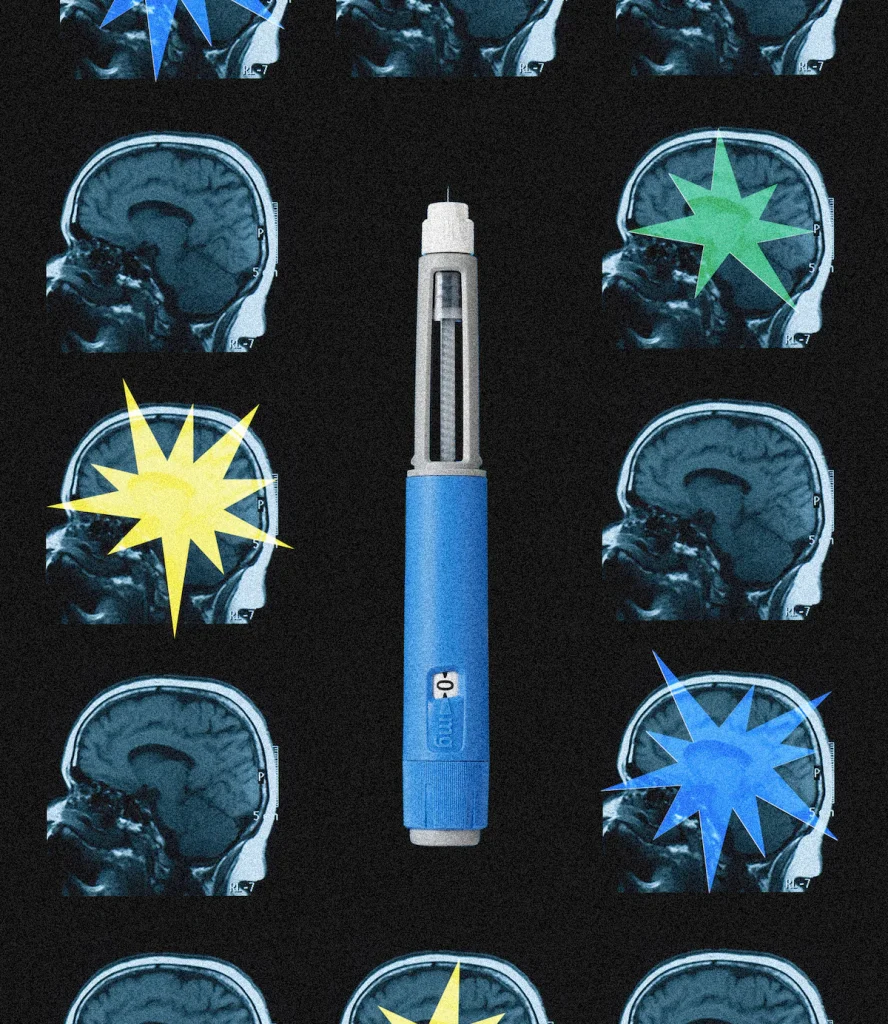
As tens of millions of people adopt GLP-1 drugs worldwide, scientists are discovering that the medications may be rewiring brain circuits linked to addiction, cognition, and personality.
Emerging scientific evidence suggests that GLP-1 medications like Ozempic, initially developed for weight loss and diabetes, may be actively reshaping the human brain. Researchers are shifting away from viewing physical and mental health as separate domains, discovering that these drugs interact with extensive neural communication networks that govern appetite, emotion, addiction, and motivation.
While millions report the positive quieting of “food noise,” other users describe a distinct emotional flattening, reduced libido, and brain fog. These side effects are prompting intense scrutiny regarding how the drugs alter dopamine-driven reward systems.
The neurological impact is particularly vital for adolescents, whose developing brains are highly vulnerable. University of Colorado assistant professor Allison Shapiro, who observed unexpected neural connectivity changes in young patients, warned: “We can’t assume what adults do and how they respond is going to be how adolescents respond.”
READ MORE FROM WASHINGTON POST
NEWS NOW: